MATERIALS, ADHESIVES AND COATINGS
UV15DC80, UV22DC80-1, UV26DC, LED401, LED422DC90 — Dual-Cure Systems (UV/LED + Heat) for Shadow Areas
Country: · Model: UV15DC80 / UV22DC80-1 / UV26DC / LED401 / LED422DC90
The dual-cure systems UV15DC80, UV22DC80-1, UV26DC, LED401 and LED422DC90 fix the joint in seconds under UV or LED radiation, and the shadowed areas are cured by heating at a moderate temperature of 80–125 °C. They are used where light does not reach the whole volume of the joint, in particular in opaque gaps and thick layers.
- UV15DC80
- epoxy; 45 000–60 000 mPa·s; UV 365 nm 10–20 s (20–40 mW/cm²) + 2–3 h at 80 °C in shadow; −62…+177 °C; Tg 125–135 °C
- UV22DC80-1
- nano-filled; 500–3500 mPa·s; shadow — 40–60 min at 80 °C; post-cure at 125–150 °C raises Tg from 90 to > 125 °C; −73…+177 °C; CTE 30–35·10⁻⁶ 1/°C; ASTM E595
- UV26DC
- ether-acrylate; UV + 2–3 h at 125 °C; −73…+204 °C; Tg 160–170 °C; ASTM E595
- LED401
- LED 405 nm, 1–4 W/cm², 15–30 s; −51…+121 °C
Technical specifications
| UV15DC80 | epoxy; 45 000–60 000 mPa·s; UV 365 nm 10–20 s (20–40 mW/cm²) + 2–3 h at 80 °C in shadow; −62…+177 °C; Tg 125–135 °C |
|---|---|
| UV22DC80-1 | nano-filled; 500–3500 mPa·s; shadow — 40–60 min at 80 °C; post-cure at 125–150 °C raises Tg from 90 to > 125 °C; −73…+177 °C; CTE 30–35·10⁻⁶ 1/°C; ASTM E595 |
| UV26DC | ether-acrylate; UV + 2–3 h at 125 °C; −73…+204 °C; Tg 160–170 °C; ASTM E595 |
| LED401 | LED 405 nm, 1–4 W/cm², 15–30 s; −51…+121 °C |
| LED422DC90 | nano-filled, LED 405 nm to a depth of 2–3 mm + 30–45 min at 90–95 °C; −62…+177 °C; modulus 3.3–4 GPa; ASTM E595 |
| Refractive index | 1.49–1.52 |
Specifications are taken from the manufacturer’s technical documentation. Updated .
Description
UV15DC80 is a medium-viscosity epoxy system (45 000–60 000 mPa·s). It cures in 10–20 s under UV 365 nm at 20–40 mW/cm², and the shadow is post-cured for 2–3 h at 80 °C and, for the best properties, another 1–2 h at 125 °C. Tg is 125–135 °C, and the range is −62…+177 °C. UV22DC80-1 is nano-filled, with a viscosity of 500–3500 mPa·s, the shadow cures in 40–60 min at 80 °C, and post-cure at 125–150 °C raises Tg from 90 to over 125 °C. UV26DC has a Tg of 160–170 °C, a shadow post-cure of 2–3 h at 125 °C, and works up to +204 °C. LED401 cures in 15–30 s at 1–4 W/cm² under 405 nm light, and LED422DC90 polymerizes a layer of 2–3 mm, followed by 30–45 min at 90–95 °C; the modulus is 3.3–4 GPa. UV22DC80-1, UV26DC and LED422DC90 comply with ASTM E595.
How to choose
The choice depends on the service temperature and the light source. For an epoxy joint up to +177 °C use UV15DC80, for low viscosity and outgassing requirements UV22DC80-1, and for the highest Tg and up to +204 °C UV26DC. Visible 405 nm light is safer for operators and works with inexpensive LED sources, which is why LED401 and LED422DC90 exist. When there is no shadow and heating is undesirable, look at the UV-only systems UV10, UV15 and UV26 in a separate item.
Request a price and lead time
UV15DC80, UV22DC80-1, UV26DC, LED401, LED422DC90 — Dual-Cure Systems (UV/LED + Heat) for Shadow Areas. We reply within one business day.
Or email office@usk.ua or call +38 (044) 339-50-20.
FAQ
What to do if UV light does not reach part of the joint?
Use a dual-cure system. UV or LED does the fixing in seconds, and the shadowed areas are cured by heating at 80–125 °C.
How long does UV15DC80 take to cure?
10–20 s under UV 365 nm at 20–40 mW/cm², shadowed zones 2–3 h at 80 °C.
Up to what temperature does UV26DC work?
Up to +204 °C with a Tg of 160–170 °C, and the system complies with ASTM E595.
How does LED401 differ from LED422DC90?
LED401 cures in 15–30 s under 405 nm light. LED422DC90 is nano-filled, the light polymerizes a layer of 2–3 mm, followed by 30–45 min of heating at 90–95 °C.
Similar products
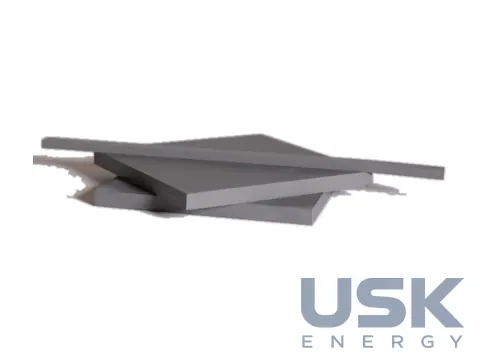 C-RAM RGD / KR / KRS / KFS / VHPC-RAM RGD / KR / KRS / KFS / VHP rigid and cast iron-epoxy and iron-silicone absorbers, radar-absorbing paints
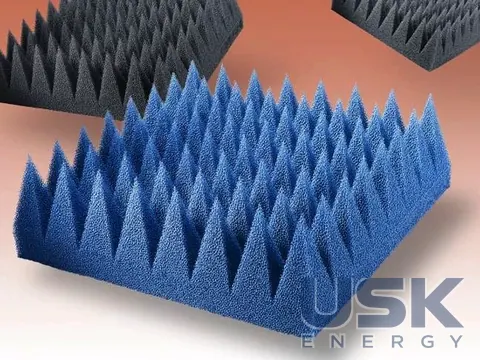 C-RAM EVA / SFC-MP / ODP / CFCC-RAM EVA / SFC-MP / ODP / CFC higher-power, ventilated, all-weather and cleanroom pyramidal absorbers
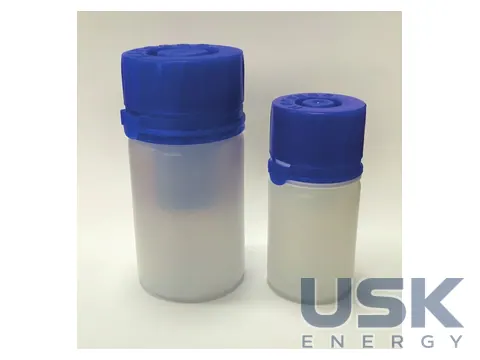 TUK / MiniTUKTouch-Up Kits for Two-Component Aviation Primers and Enamels
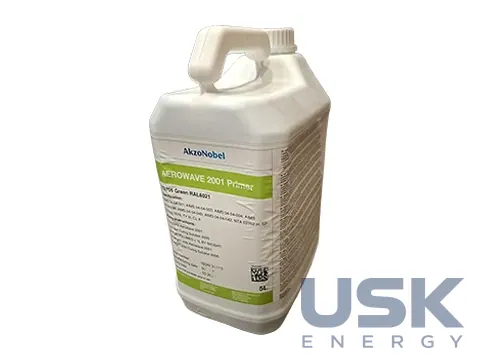 Aerowave 2001 / 2002 / 2003 / 3003 / 5001 / Filler 2501Waterborne System of Primers, Epoxy and Polyurethane Enamels (Airbus, Eurofighter, Leonardo)
REQUEST
Need a price, lead time or replacement?
Send us a request and we will confirm the configuration, lead time and delivery terms. We reply by email.