Carbon — lead-carbon batteries 2 and 12 V
Country: France · Model: Carbon 12ET / 2ET
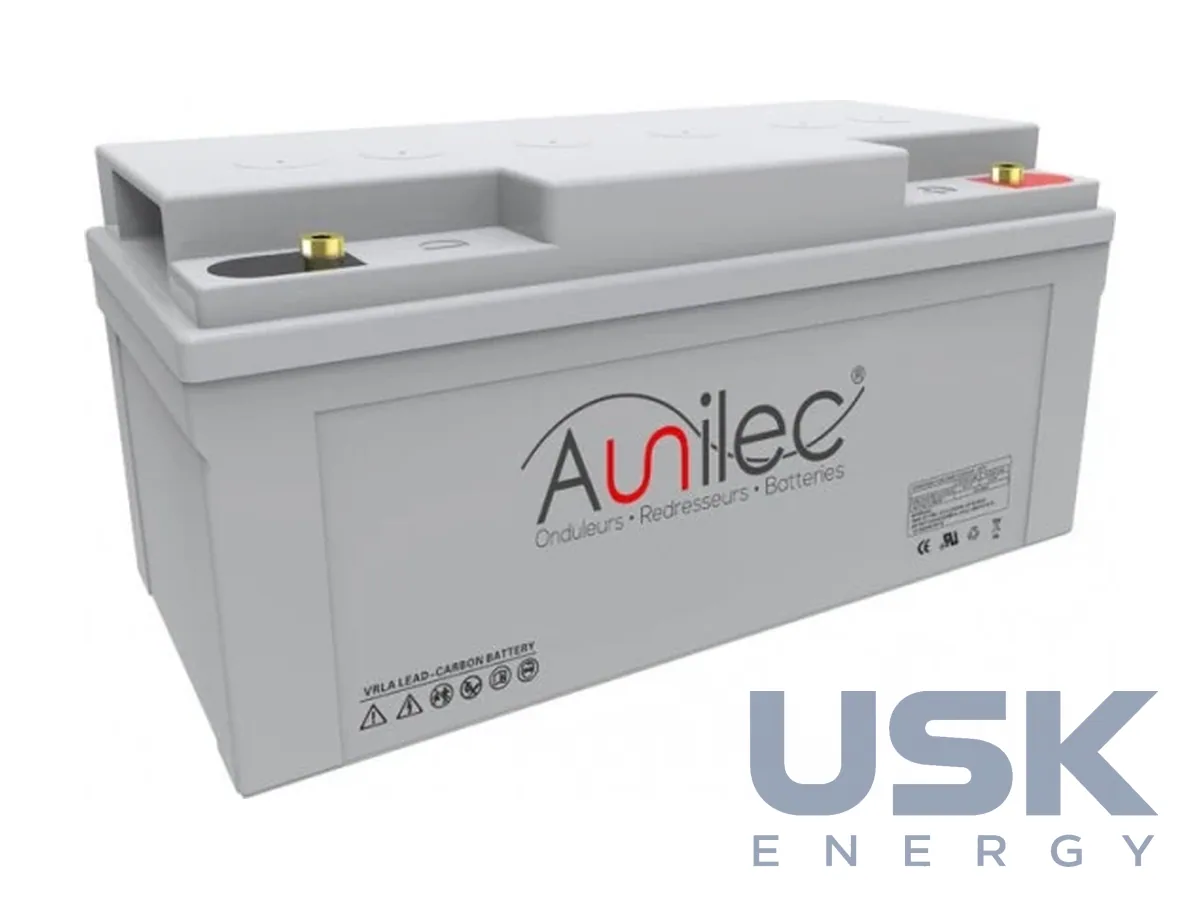
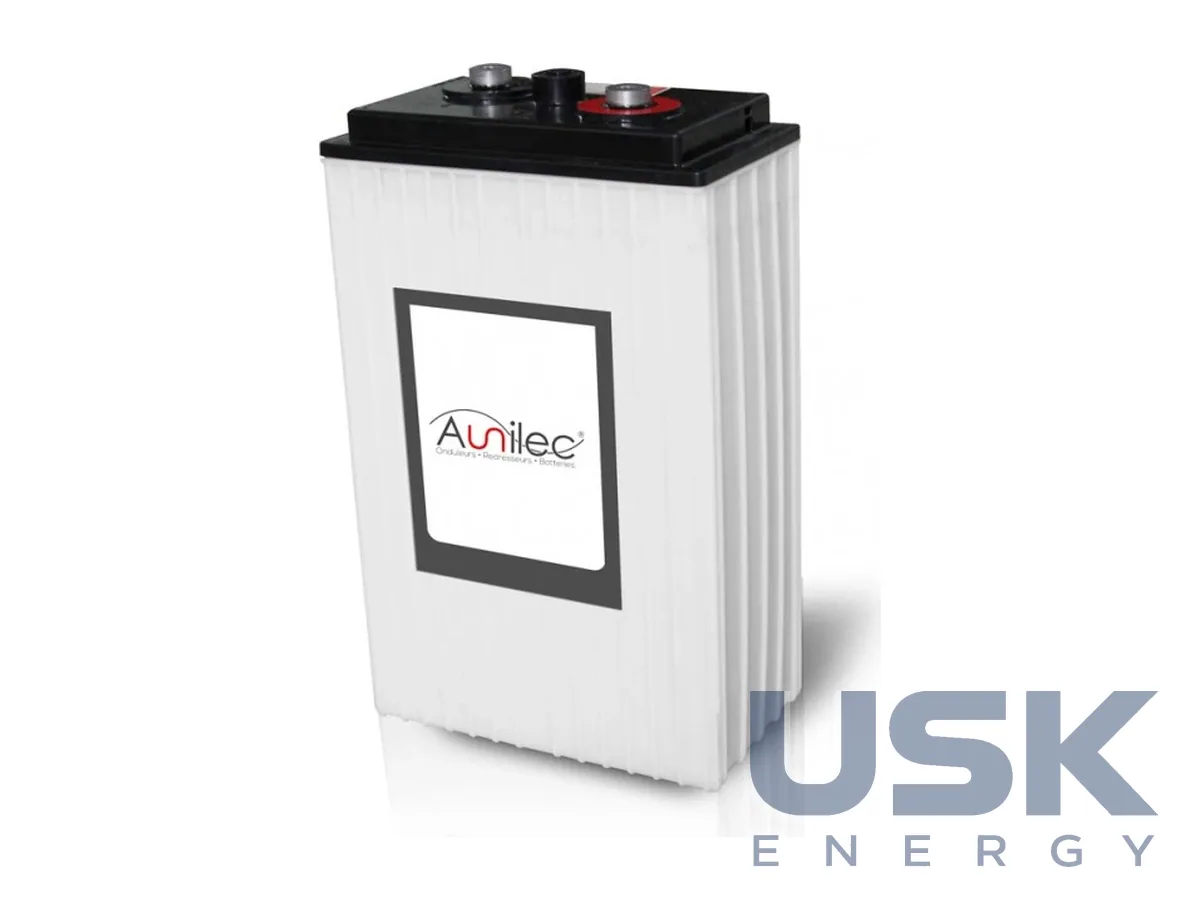
The Carbon lead-carbon batteries are made as 12 V monoblocks of 60–150 Ah and 2 V cells of 1000 and 2000 Wh. They are installed in energy storage systems and solar plants with daily cycling.
- Models
- 12 V 60–150 Ah (12ET70PC, 12ET120PC); 2 V 1000/2000 Wh (2ET500PC, 2ET1000PC)
- Cycles
- > 3000 (12 V) and > 4200 (2 V) at 70 % DoD
- Charge current
- up to 0.2–0.4C in daily cycling
- Standards
- IEC 60896-21/-22
Technical specifications
| Models | 12 V 60–150 Ah (12ET70PC, 12ET120PC); 2 V 1000/2000 Wh (2ET500PC, 2ET1000PC) |
|---|---|
| Cycles | > 3000 (12 V) and > 4200 (2 V) at 70 % DoD |
| Charge current | up to 0.2–0.4C in daily cycling |
| Standards | IEC 60896-21/-22 |
Specifications are taken from the manufacturer’s technical documentation. Updated .
Description
Carbon in the active mass of the plates speeds up charge acceptance, so in daily duty the battery withstands a current of 0.2–0.4C. The life of the 12 V monoblocks exceeds 3000 cycles, and that of the 2 V cells reaches more than 4200 cycles at 70 % depth of discharge. The monoblocks include models 12ET70PC and 12ET120PC, and the two-volt cells include 2ET500PC and 2ET1000PC. The batteries are tested to IEC 60896-21/-22, that is, to the methods for stationary valve-regulated lead-acid batteries. For a solar plant this means faster recovery of charge during the daylight hours and less frequent battery replacement over the life of the plant.
How to choose
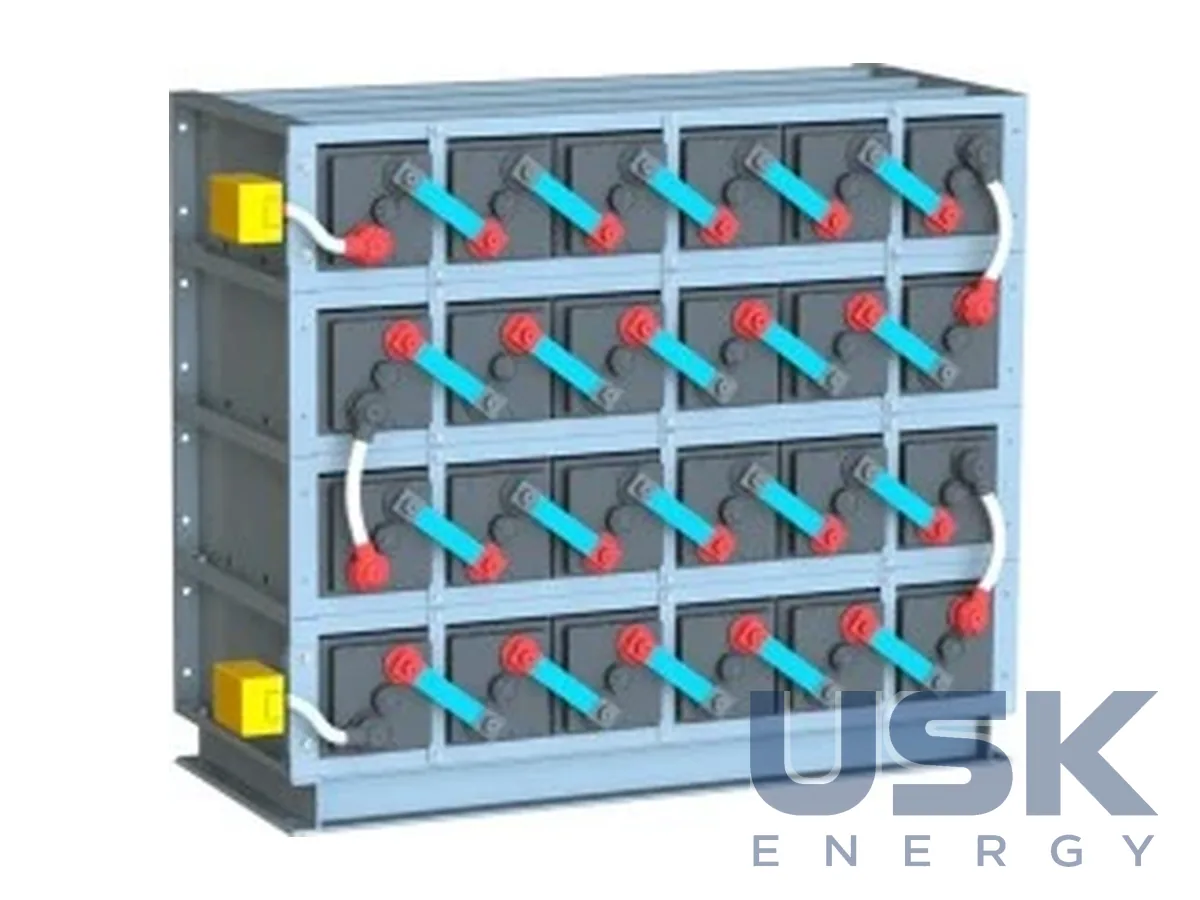
The DC bus voltage and the required energy determine what the battery is built from. For small systems and cabinets the 12 V monoblocks are more convenient; for storage of tens of kilowatt-hours it is more rational to build a string from 2 V cells, since there are then fewer parallel branches. If deep cycling is not needed and the battery sits in a UPS buffer, AGM AUNISOLBAT of 5.2–260 Ah is enough. For even longer life there is SPzS with 4800 cycles at 50 % DoD and a service life of up to 20 years.
Request a price and lead time
Carbon — lead-carbon batteries 2 and 12 V. We reply within one business day.
Or email office@usk.ua or call +38 (044) 339-50-20.
FAQ
How many cycles does the Carbon lead-carbon battery withstand?
More than 3000 cycles for the 12 V monoblocks and more than 4200 for the 2 V cells at 70 % depth of discharge.
What current can be used to charge Carbon batteries?
In daily cycling the permitted charge current is up to 0.2–0.4C, which shortens the charging time from solar panels during the daylight part of the day.
How does a lead-carbon battery differ from AGM for a solar plant?
It accepts charge faster and is designed for daily cycling with a life of more than 3000 cycles, whereas AGM AUNISOLBAT are aimed first of all at buffer duty with a service life of up to 12 years.
How much energy do the 2 V cells of the Carbon series have?
The 2ET500PC cell stores 1000 Wh and the 2ET1000PC stores 2000 Wh, which is convenient for large storage systems.
To which standards are the Carbon batteries tested?
The manufacturer refers to IEC 60896-21/-22, the test methods for stationary valve-regulated lead-acid batteries.
Similar products
REQUEST
Need a price, lead time or replacement?
Send us a request and we will confirm the configuration, lead time and delivery terms. We reply by email.