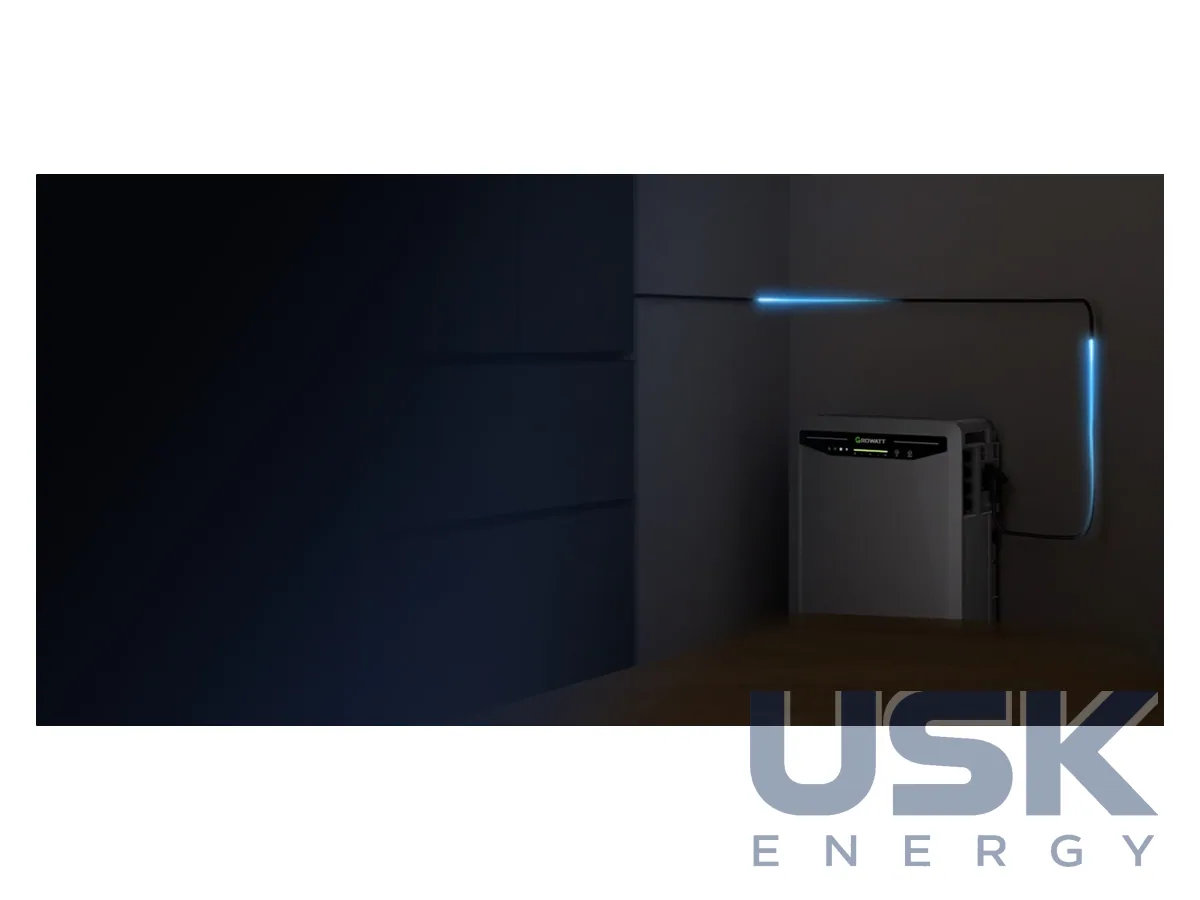
BATTERY ENERGY STORAGE SYSTEMS (BESS)
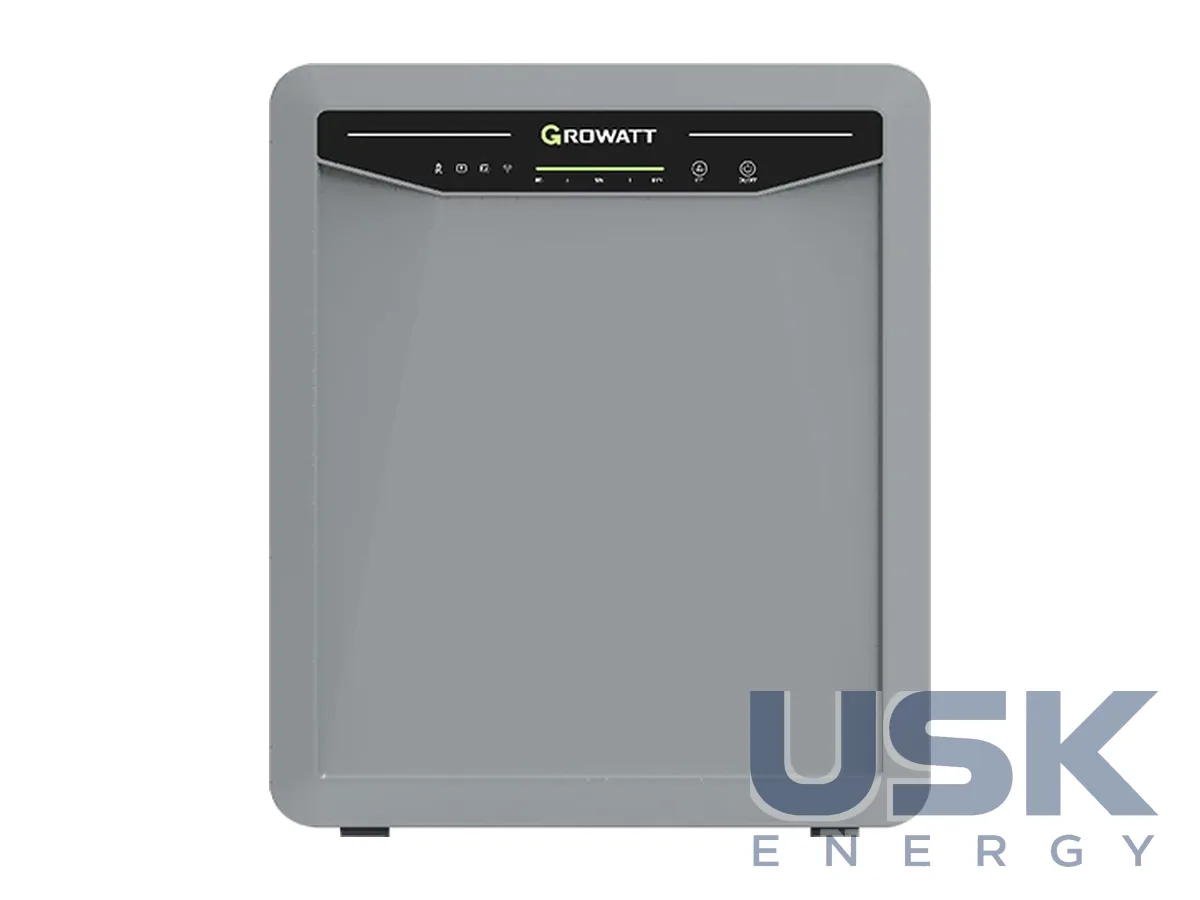
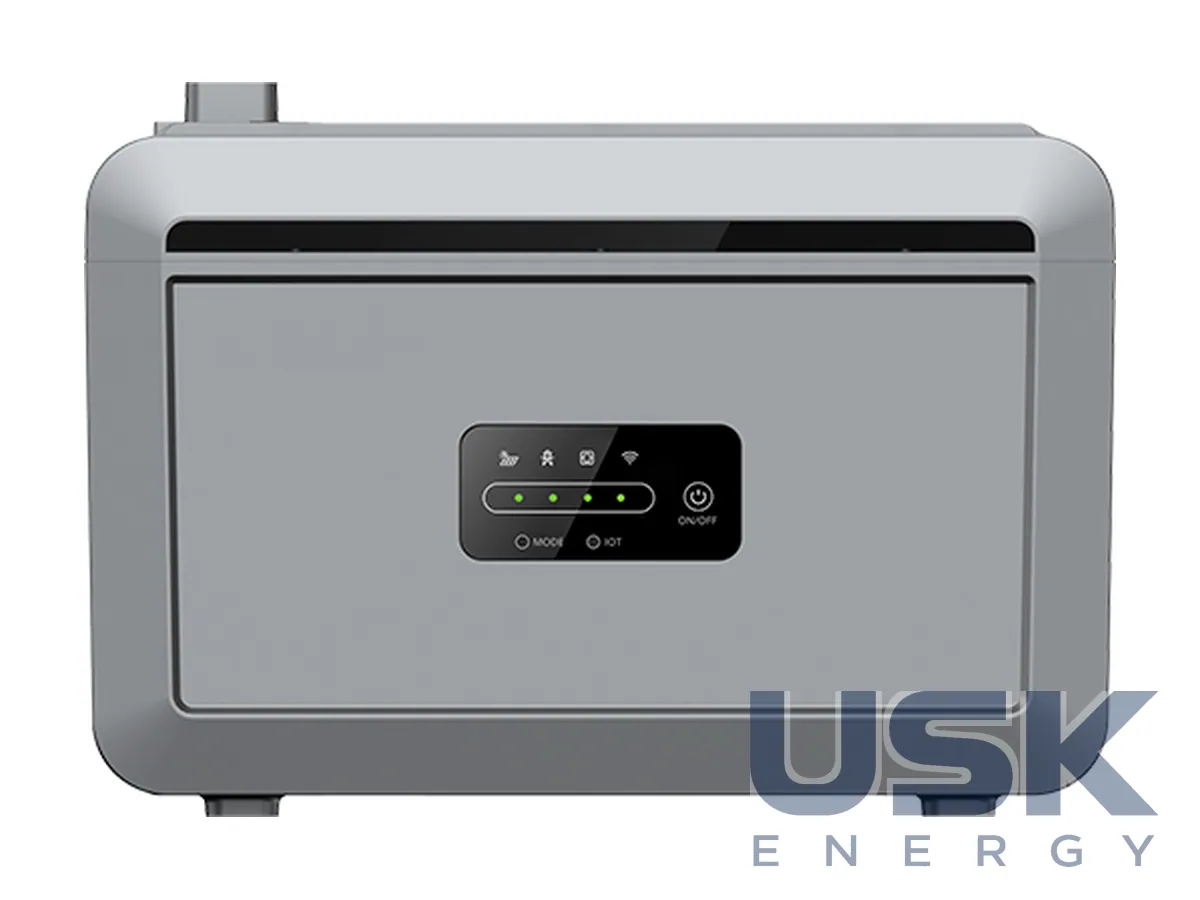
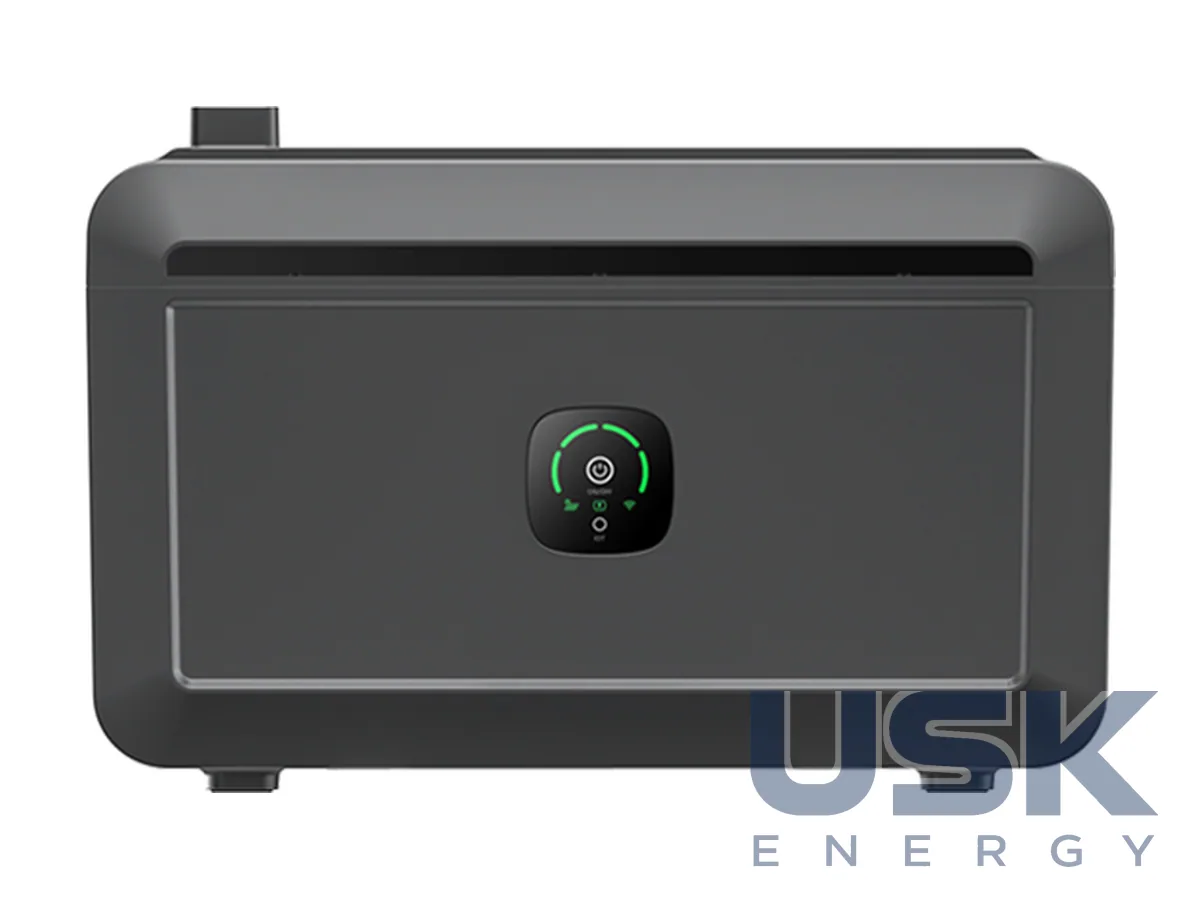
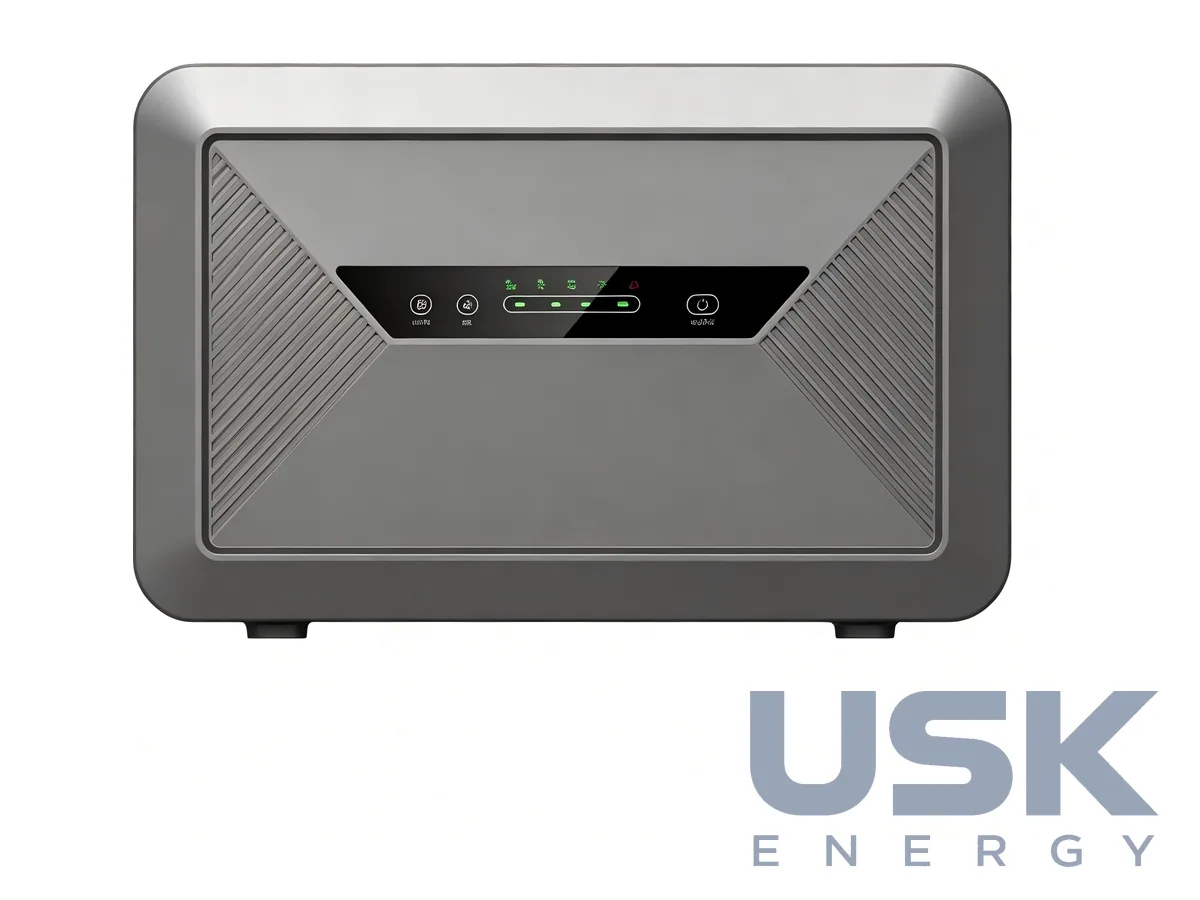
NOAH / NEXA / VETA / AURA balcony and plug-in energy storage, 2–5 kWh
Country: China · Model: NOAH / NEXA / VETA / AURA
The compact LiFePO4 storage units NOAH, NEXA, VETA and AURA offer 2 to 5 kWh in the base unit, and NOAH and NEXA expand to 8 kWh. They connect to a balcony solar system or simply to a wall socket, and the AC-coupled versions are added to an existing grid-tied system without replacing the inverter.
- Chemistry
- LiFePO4
- Capacity
- 2 kWh expandable to 8 kWh (NOAH, NEXA); 5 kWh (AURA)
- Output
- 800 W (plug-in), up to 2500 W (AURA)
- PV input
- 1800 W (NOAH), 2600 W (NEXA)
Technical specifications
| Chemistry | LiFePO4 |
|---|---|
| Capacity | 2 kWh expandable to 8 kWh (NOAH, NEXA); 5 kWh (AURA) |
| Output | 800 W (plug-in), up to 2500 W (AURA) |
| PV input | 1800 W (NOAH), 2600 W (NEXA) |
| Cycle life | 6000+ cycles (NOAH/NEXA), 10000 (AURA, VETA) |
| Ingress protection | IP66 |
| Customs codes (for reference) | |
| HS code | 8507.60 |
| UKTZED code (Ukraine) | 8507600000 |
| CN code (EU) | 85076000 |
Specifications are taken from the manufacturer’s technical documentation. Updated . Customs codes are for reference only; the final code is determined at customs declaration for the specific model.
Description
The plug-in versions feed 800 W into the apartment grid, while AURA delivers up to 2500 W and powers noticeably more household loads at once. NOAH panels connect directly to the 1800 W solar input, and on NEXA it is rated for 2600 W. The enclosure has IP66 protection, so the storage unit can be placed on an open balcony or terrace where it is exposed to rain and dust. The battery life of NOAH and NEXA is 6000+ cycles, and 10000 is stated for AURA and VETA. The capacity of NOAH and NEXA is increased with additional battery units, while AURA comes as a single 5 kWh unit. An AC-coupled setup is needed for a retrofit, when a grid-tied inverter already works and should not be touched.
How to choose
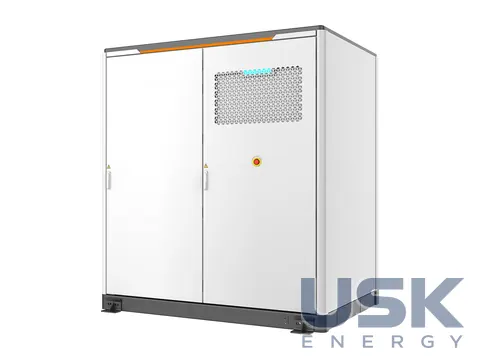
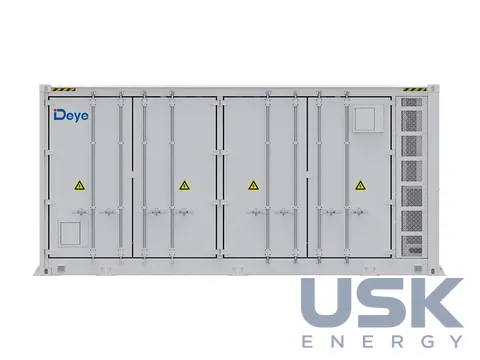
Start with the output power, because 800 W covers the background consumption of an apartment, and only AURA can handle loads up to 2500 W. For a balcony with powerful panels, look at the solar input, since NEXA accepts up to 2600 W against 1800 W on NOAH. A house with a three-phase supply and a consumption of 4–15 kW is better served by the MINA / MODA / SPH-HUB system of 5–40 kWh. For a commercial site that needs hundreds of kilowatt-hours, there are the ACE 209H/261H cabinets and the RISE 261H-XH all-in-one unit.
Request a price and lead time
NOAH / NEXA / VETA / AURA balcony and plug-in energy storage, 2–5 kWh. We reply within one business day.
Or email office@usk.ua or call +38 (044) 339-50-20.
FAQ
Can the NOAH be connected to an ordinary wall socket?
Yes, the plug-in version feeds up to 800 W into the grid through a household socket. Before connecting, check whether local rules allow generation to be connected this way.
How much solar panel power does the NEXA accept?
The NEXA solar input is rated for 2600 W, while on the NOAH this figure is 1800 W.
What capacity can the NOAH or NEXA storage be expanded to?
The base unit has 2 kWh, and additional batteries extend the system to 8 kWh.
Can the AURA storage unit be installed outdoors?
The enclosure has IP66 protection, so rain and dust are not a threat. It is better to cover it from direct sun with a canopy so that the battery heats up less.
How many cycles do the VETA and AURA storage units withstand?
10000 cycles are stated for AURA and VETA, and 6000+ cycles for NOAH and NEXA. The chemistry is the same in all models, LiFePO4.
Similar products
REQUEST
Need a price, lead time or replacement?
Send us a request and we will confirm the configuration, lead time and delivery terms. We reply by email.