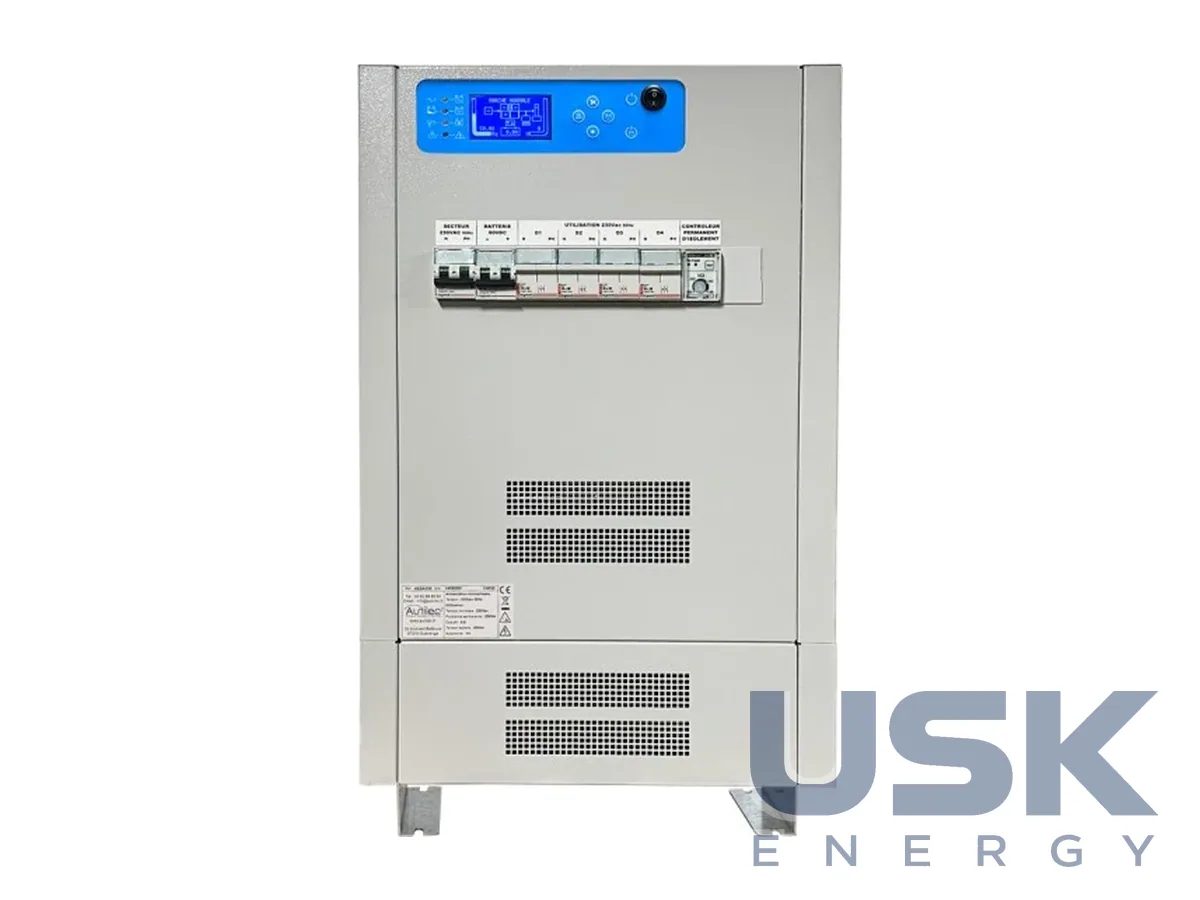
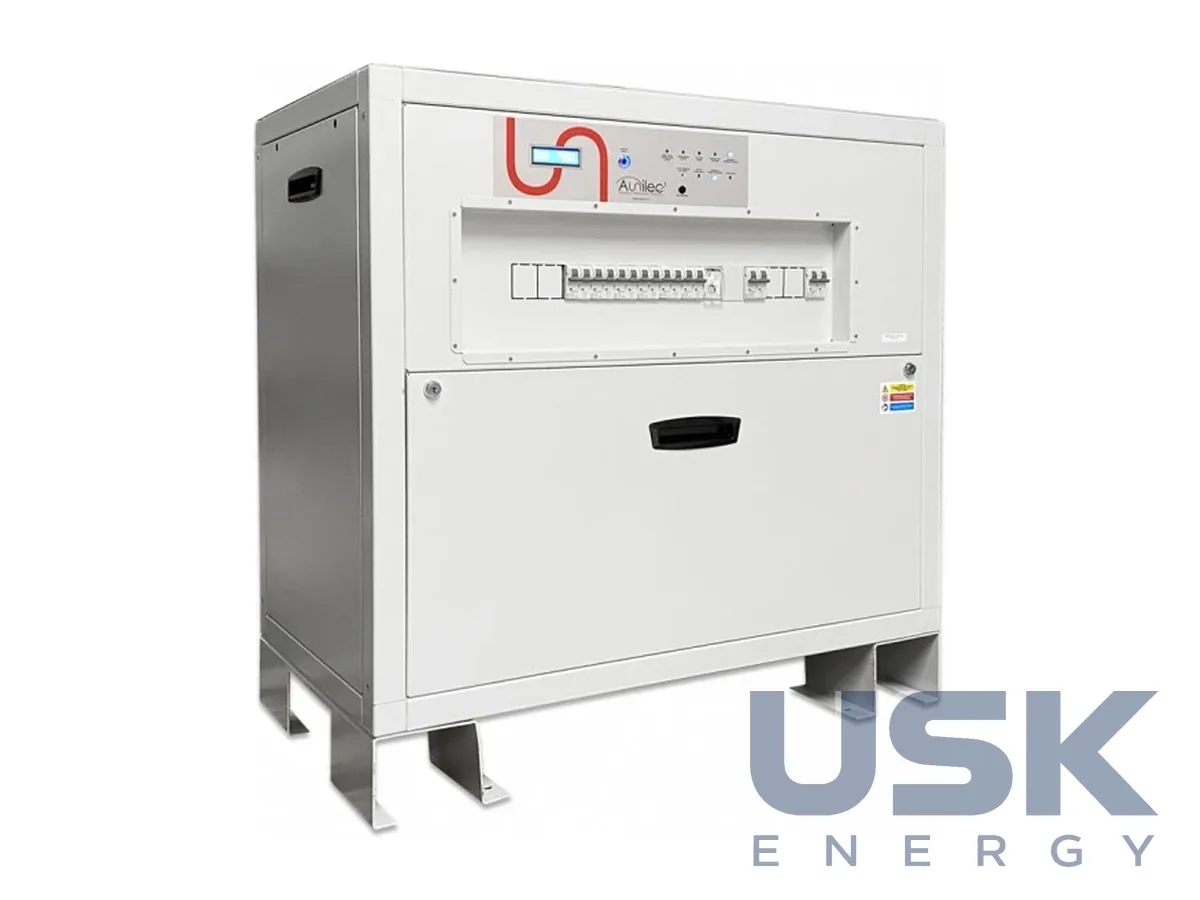
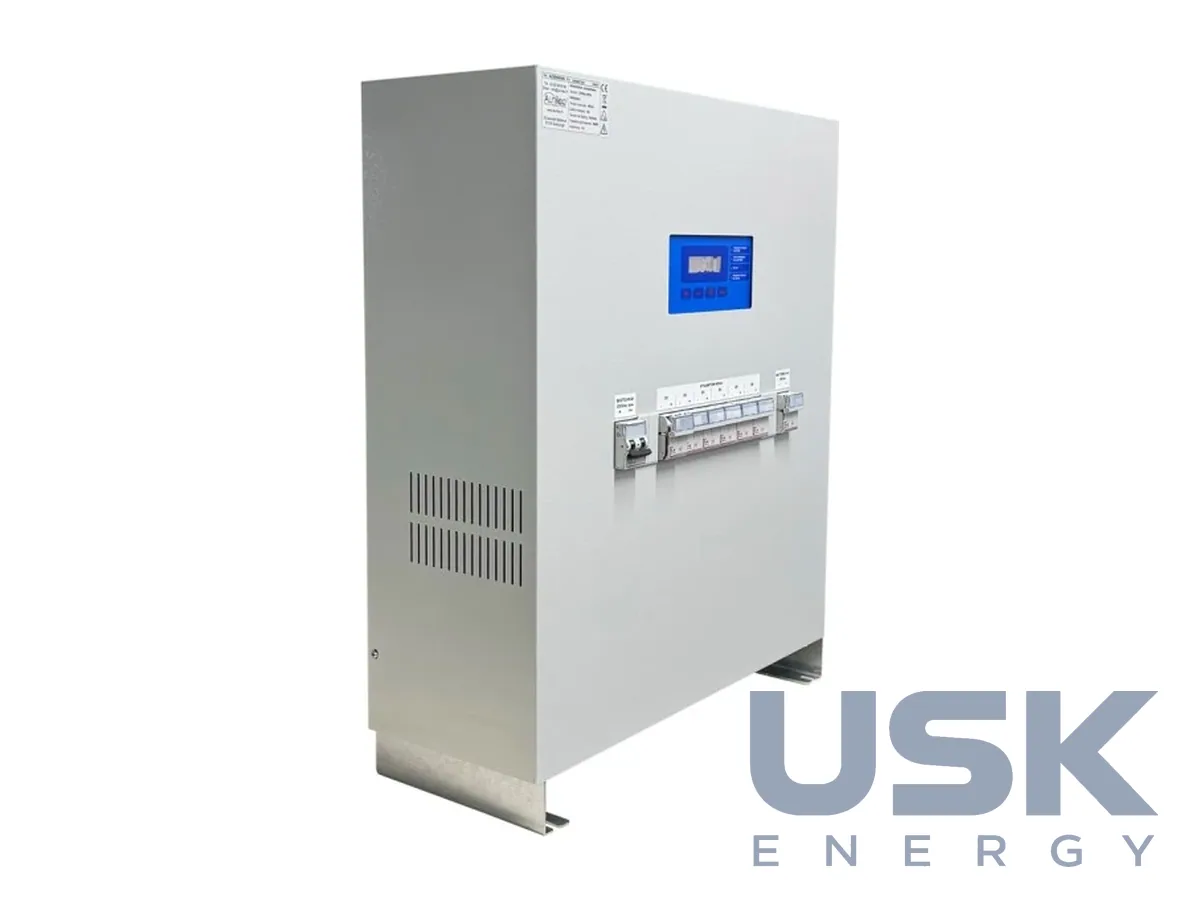
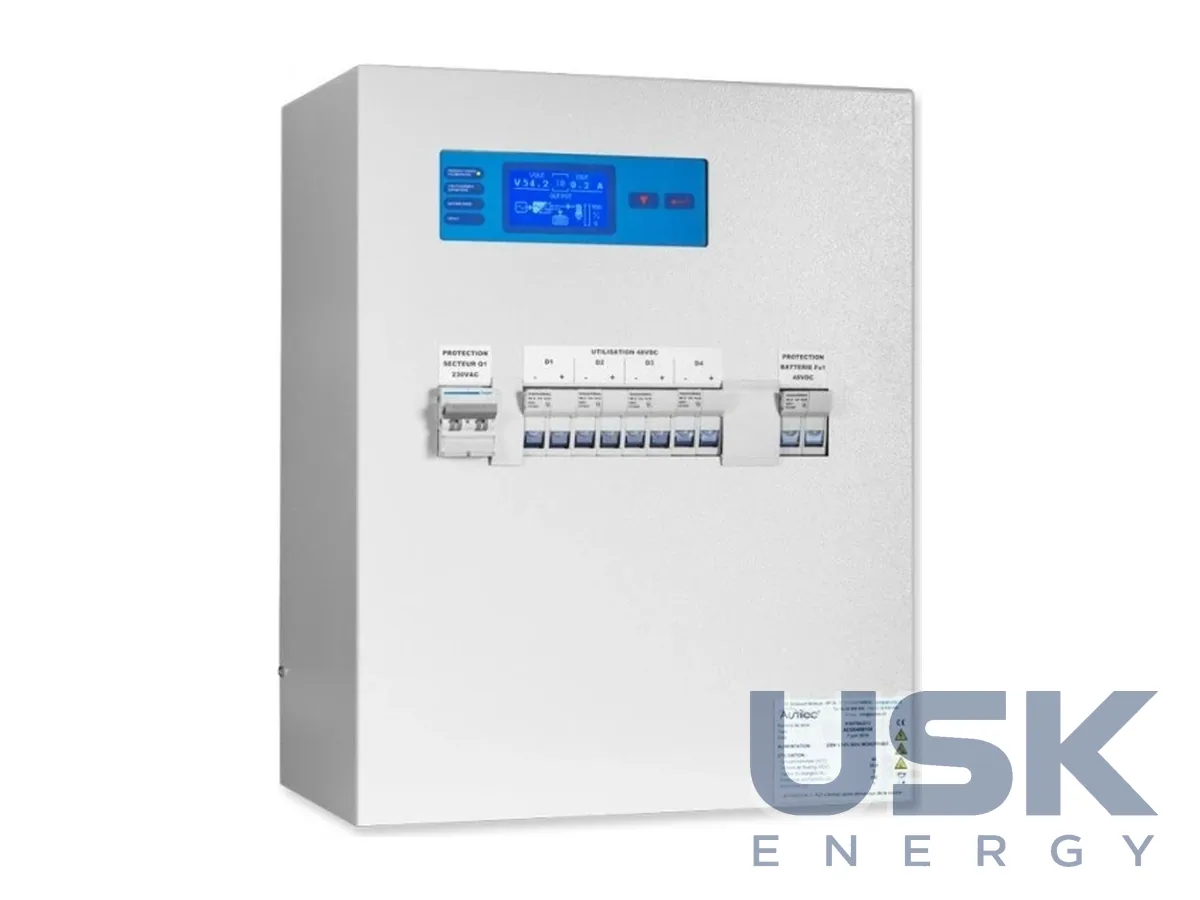
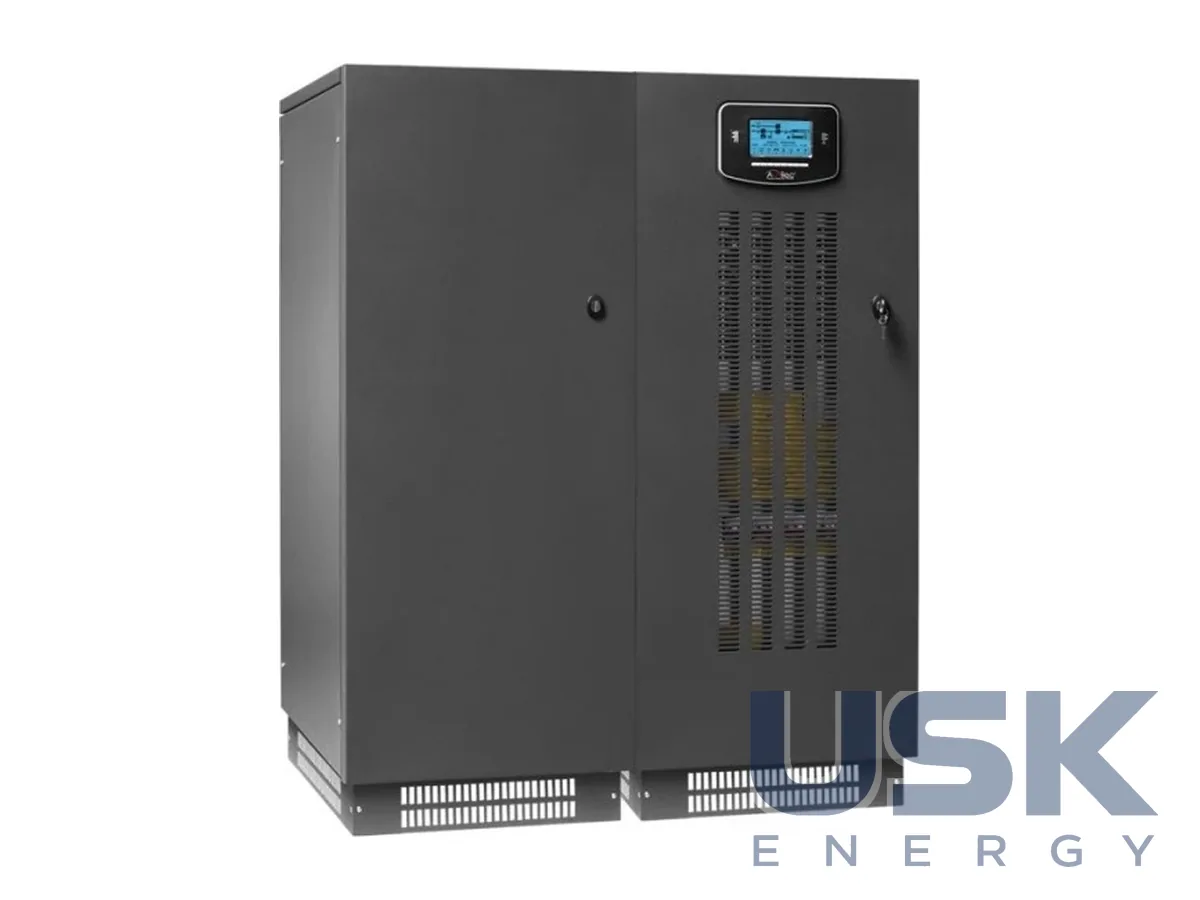
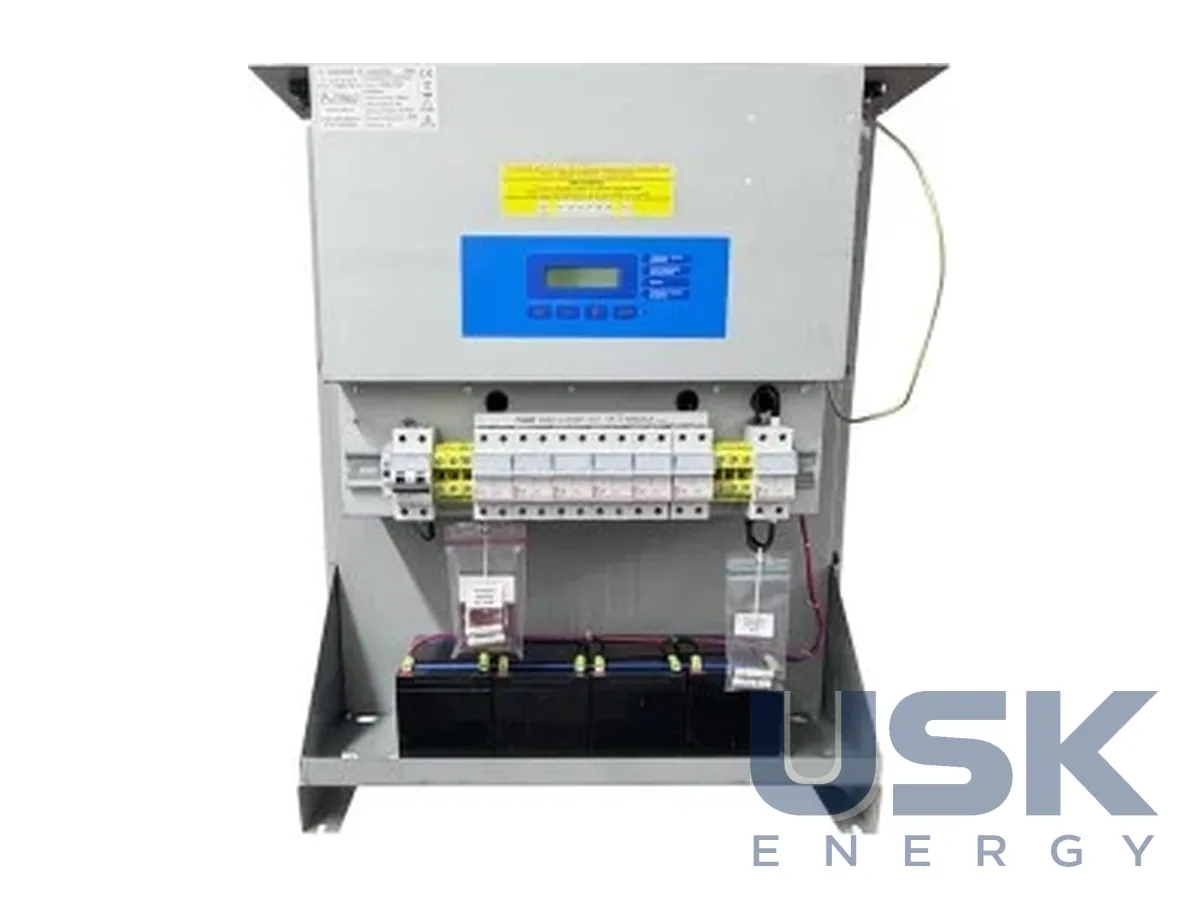
AESA / AESB / AESA-TM/TT central emergency lighting power supplies
Country: France · Model: AESA / AESB / AESA-TM/TT
The AESA, AESB and AESA-TM/TT central emergency lighting power supplies comply with EN 50171 and the French NF C 71-815. The range extends from wall-mounted 250 VA units to three-phase online UPS units of 80 kVA. They are intended for buildings with large numbers of people, such as shopping centers, hospitals, stations and offices.
- Standard
- EN 50171 / NF C 71-815
- AESA (230 V AC)
- 250–1000 VA wall-mounted, 1100–2100 VA floor-standing, 1000–8000 VA tower; autonomy 1 or 6 h
- AESB (DC)
- 24, 48, 110 V; AESB-R: 1400–6600 W
- AESA-TM/TT
- online VFI 10–60 kVA (3/1) and 10–80 kVA (3/3), autonomy 1 h (1.5 or 3 h on request)
Technical specifications
| Standard | EN 50171 / NF C 71-815 |
|---|---|
| AESA (230 V AC) | 250–1000 VA wall-mounted, 1100–2100 VA floor-standing, 1000–8000 VA tower; autonomy 1 or 6 h |
| AESB (DC) | 24, 48, 110 V; AESB-R: 1400–6600 W |
| AESA-TM/TT | online VFI 10–60 kVA (3/1) and 10–80 kVA (3/3), autonomy 1 h (1.5 or 3 h on request) |
| Functions | deep discharge protection, battery self-test, insulation monitoring |
Specifications are taken from the manufacturer’s technical documentation. Updated .
Description
The AESA series delivers 230 V AC and has three enclosure formats: wall-mounted at 250–1000 VA, floor-standing at 1100–2100 VA and tower at 1000–8000 VA. Autonomy is set at 1 or 6 h depending on the emergency lighting requirements. AESB supplies luminaires with 24, 48 or 110 V DC, and the AESB-R version covers 1400–6600 W. For large sites there are three-phase online VFI class UPS units AESA-TM/TT of 10–60 kVA in a 3/1 configuration and 10–80 kVA in a 3/3 configuration. Their standard autonomy is 1 h, and 1.5 or 3 h on request. Deep discharge protection preserves the battery after a long outage, the self-test checks it without staff involvement, and insulation monitoring signals damage to the luminaire line.
How to choose
First determine the type of luminaires. Mains 230 V luminaires are supplied by AESA, while low-voltage DC lines are served by AESB at 24, 48 or 110 V. Power is calculated from the sum of luminaires with a margin, and autonomy is taken from the project requirements, 1 or 6 h. When the load exceeds 8000 VA or a three-phase mains is needed, move to AESA-TM/TT.
Request a price and lead time
AESA / AESB / AESA-TM/TT central emergency lighting power supplies. We reply within one business day.
Or email office@usk.ua or call +38 (044) 339-50-20.
FAQ
What standard do AESA and AESB supplies comply with?
They are built to EN 50171 for central emergency lighting power systems and to the French NF C 71-815.
What autonomy does AESA provide?
AESA 230 V AC models are rated for 1 or 6 h of battery operation. Three-phase AESA-TM/TT hold 1 h as standard, and 1.5 or 3 h on request.
What voltages does AESB have?
AESB delivers DC at 24, 48 or 110 V, and the power version AESB-R has a power of 1400–6600 W.
What is the maximum power of AESA-TM/TT?
Up to 60 kVA in the 3/1 configuration and up to 80 kVA in the 3/3 configuration; both variants work as online VFI class UPS units.
What protection functions do AESA central supplies have?
Battery deep discharge protection, automatic battery testing and insulation monitoring of the output lines.
Similar products
REQUEST
Need a price, lead time or replacement?
Send us a request and we will confirm the configuration, lead time and delivery terms. We reply by email.