MATERIALS, ADHESIVES AND COATINGS
Opticor cast transparent aircraft plastic for cockpit and cabin windows, landing light and position light lenses (a lighter, non-flammable alternative to stretched acrylic MIL-P-25690)
Country: · Model: Opticor
Cast transparent aircraft plastic for flight deck and passenger cabin windows, and for lenses of landing lights and wing position lights. Density 1.13, light transmission 91 %, glass transition temperature 125 °C. A lighter, non-flammable alternative to stretched acrylic MIL-P-25690.
- Application
- flight deck and passenger cabin windows, lenses of landing lights and position lights
- Density
- 1.13 (ASTM D792), lower than stretched acrylic MIL-P-25690
- Tensile (23 °C)
- yield strength 96.5 MPa; break strength 87.6 MPa; modulus 2578 MPa; elongation at break 16 % (ASTM D638)
- Tensile (−54 / +66 °C)
- break strength 135.8 / 48.3 MPa; modulus 3447 / 1786 MPa
Technical specifications
| Application | flight deck and passenger cabin windows, lenses of landing lights and position lights |
|---|---|
| Density | 1.13 (ASTM D792), lower than stretched acrylic MIL-P-25690 |
| Tensile (23 °C) | yield strength 96.5 MPa; break strength 87.6 MPa; modulus 2578 MPa; elongation at break 16 % (ASTM D638) |
| Tensile (−54 / +66 °C) | break strength 135.8 / 48.3 MPa; modulus 3447 / 1786 MPa |
| Compression / flexure | max. compression 256 MPa; flexure at 5 % 109 MPa, flexural modulus 2627 MPa |
| Impact toughness | notched Izod 63.6 J; puncture 10 J (ASTM D3763); not prone to in-plane delamination |
| Thermal | Tg 125 °C; HDT 103 °C (1.8 MPa); max. service 95–100 °C; CTE 6.7·10⁻⁵ 1/°C; λ 0.21 W/(m·K) |
| Optics | light transmission 91 % (90 % after 4000 h QUV); haze 0.24 %; n = 1.520 |
| Flammability | 14 CFR 25.853(a): burn time 0 min, burn length 0 |
| Other | Rockwell M hardness 115; Bayer haze after 100 cycles 24 % (ASTM F735) |
Specifications are taken from the manufacturer’s technical documentation. Updated .
Description
Opticor is cast directly to shape in a wide range of thicknesses, so windows of complex double curvature are made from it. The material is not biaxially oriented, does not crack in the plane of the sheet and is resistant to crazing, abrasion, chemicals and ultraviolet light. The developer calls it the first new transparent plastic for aviation in more than 50 years. In tension at 23 °C the yield strength is 96.5 MPa, the break strength 87.6 MPa, the modulus 2578 MPa and the elongation 16 %; at −54 °C the strength rises to 135.8 MPa, and at +66 °C it falls to 48.3 MPa. The compressive strength is up to 256 MPa, the flexural modulus 2627 MPa and the notched Izod impact toughness 63.6 J. The glass transition temperature is 125 °C, the heat deflection temperature under 1.8 MPa load is 103 °C, the service temperature is up to 95–100 °C, and the coefficient of linear expansion is 6.7·10⁻⁵ 1/°C. Haze is 0.24 %, the refractive index 1.520 and the Rockwell M hardness 115; after 4000 hours of QUV the light transmission is 90 %, and the tensile strength is about 97–100 MPa. Under 14 CFR 25.853(a) with a 15-second flame exposure, the burn time and burn length are zero.
How to choose
Opticor makes sense when a window of complex double curvature or a lower weight than stretched acrylic is needed, and there are flammability requirements under 14 CFR 25.853(a). For temperatures above 95–100 °C another material is needed, since that is the service limit. For dimmable cabin windows look at Alteos, and for interlayer films S-123, S-142 and S-158.
Request a price and lead time
Opticor cast transparent aircraft plastic for cockpit and cabin windows, landing light and position light lenses (a lighter, non-flammable alternative to stretched acrylic MIL-P-25690). We reply within one business day.
Or email office@usk.ua or call +38 (044) 339-50-20.
FAQ
What are the density and light transmission of Opticor?
Density 1.13, light transmission 91 %, and 90 % after 4000 hours of QUV.
What is the maximum service temperature of Opticor?
95–100 °C; the glass transition temperature is 125 °C and the heat deflection temperature under 1.8 MPa load is 103 °C.
How does Opticor behave in fire?
Under 14 CFR 25.853(a) with a 15-second flame exposure, the burn time and burn length are zero.
How does Opticor differ from stretched acrylic MIL-P-25690?
It is cast directly to shape in a wide range of thicknesses, is not biaxially oriented and does not crack in the plane of the sheet.
Similar products
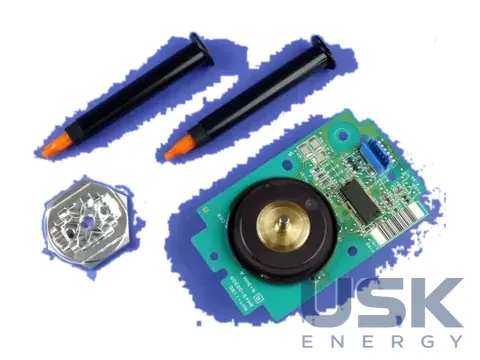 UV15DC80 / UV22DC80-1 / UV26DC / LED401 / LED422DC90Dual-Cure Systems (UV/LED + Heat) for Shadow Areas
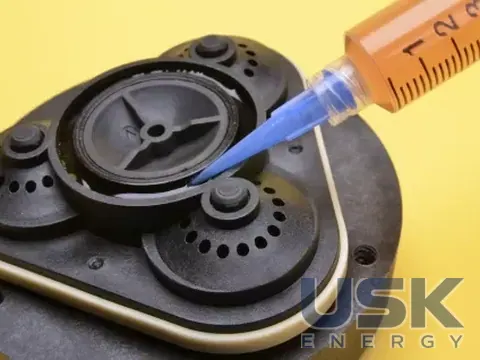 EP21TP-2NV / EP21TPFL-1 / EP21TPHT / EP30D-7 / Super Gel 9Epoxy-Polysulfide and Urethane-Modified Flexible Systems
 TUK / MiniTUKTouch-Up Kits for Two-Component Aviation Primers and Enamels
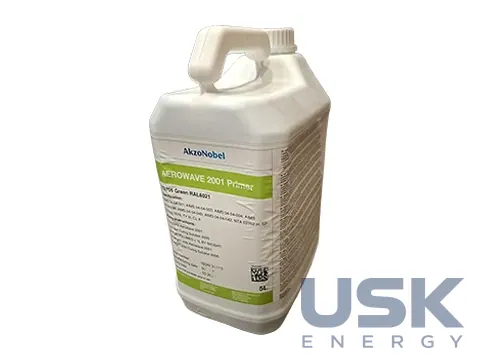 Aerowave 2001 / 2002 / 2003 / 3003 / 5001 / Filler 2501Waterborne System of Primers, Epoxy and Polyurethane Enamels (Airbus, Eurofighter, Leonardo)
REQUEST
Need a price, lead time or replacement?
Send us a request and we will confirm the configuration, lead time and delivery terms. We reply by email.