MATERIALS, ADHESIVES AND COATINGS
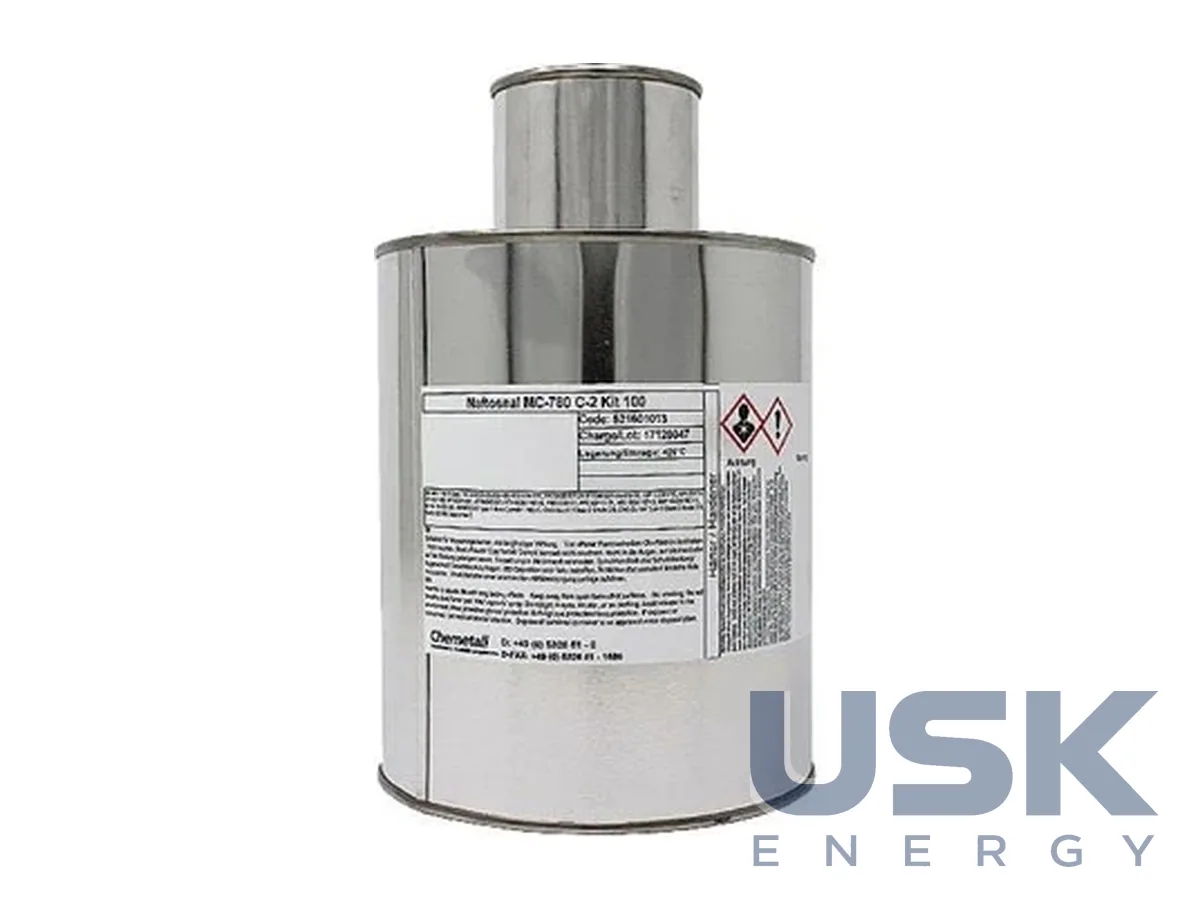
Naftoseal polysulfide sealants for fuel tanks and fuselage
Country: Germany · Model: Naftoseal
Two-part polysulfide sealants for aircraft wing and fuselage fuel tanks. The compound is applied over fasteners, as a fillet seal or between mating surfaces; versions come with reduced solvent content, solvent-free, flame-resistant and fast-curing. They are used by aircraft factories and aircraft repair organizations.
- Chemistry
- polysulfide, two-part
- Purpose
- sealing of fuel tanks (integral tanks), pressurized fuselage cabin, aerodynamic smoothing
- Application methods
- overcoat (over the fastener), fillet (fillet seal), interfay (between mating surfaces)
- Versions
- high and low density; fast-curing; flame-resistant; reduced VOC / solvent-free; chromate-free
Technical specifications
| Chemistry | polysulfide, two-part |
|---|---|
| Purpose | sealing of fuel tanks (integral tanks), pressurized fuselage cabin, aerodynamic smoothing |
| Application methods | overcoat (over the fastener), fillet (fillet seal), interfay (between mating surfaces) |
| Versions | high and low density; fast-curing; flame-resistant; reduced VOC / solvent-free; chromate-free |
| Properties | thixotropy, low sag, short tack-free time, resistance to aviation fuel, oils and aviation fluids, elasticity at low temperatures, corrosion protection |
| Packaging | cartridges, ready-made seal caps; MCI cartridge mixer |
| Production | Langelsheim (Germany), EN 9100:2018 |
| Approvals | according to the manufacturer, approvals of major OEMs and repair organizations (numbers not given) |
Specifications are taken from the manufacturer’s technical documentation. Updated .
Description
The fuel grades seal tanks, repair them and protect them from leaks and corrosion. The fuselage grades hold pressure in the pressurized cabin and smooth joints for better aerodynamics. The compounds are markedly thixotropic, so they hardly sag from vertical seams, lose tack and cure quickly, which shortens pauses during assembly. They adhere well to various substrates, stay elastic in the cold and withstand aviation fuel, oils and aviation fluids. All formulations are chromate-free. Two-part cartridges are prepared on the MCI pneumatic mixer, which injects the hardener in the required proportion by itself without air inclusions; the device is permitted in explosive zones. Ready-made molded caps are also available for fasteners. Production is located in Langelsheim (Germany), and the quality system is certified to EN 9100:2018. According to the manufacturer, the compounds have approvals of major OEMs and repair organizations, but specification numbers are not given.
How to choose
First determine the zone. For integral tanks take the fuel sealants, for the pressurized cabin and fuselage skin the fuselage ones. Then choose the application method (overcoat, fillet or interfay) and the cure speed, since fast-curing grades are needed where assembly cannot wait. High or low density versions are selected for the aircraft weight requirements. If a joint has to be disassembled, look at Naftoseal Low-Adhesion and Low-Density. Specific grades and OEM specifications are clarified in the technical data sheet (TDS).
Request a price and lead time
Naftoseal polysulfide sealants for fuel tanks and fuselage. We reply within one business day.
Or email office@usk.ua or call +38 (044) 339-50-20.
FAQ
What application methods are provided for these sealants?
Three main ones. Overcoat covers fastener heads, fillet forms a fillet seal along the edges, interfay creates a layer between mating surfaces during assembly.
Do the polysulfide sealants contain chromates?
No, all formulations in the series are chromate-free. Versions with reduced solvent content and solvent-free ones are produced separately.
What is used to mix two-part cartridges?
The MCI pneumatic mixer. It automatically injects the hardener in the required proportion without air inclusions, and the device itself is permitted in explosive zones.
What are fuel tank sealants for?
They seal and protect integral wing tanks against leaks and corrosion, thus preserving the integrity of the fuel system. The compounds resist aviation fuel, oils and aviation fluids.
Which standard confirms the production?
The site in Langelsheim (Germany) is certified to EN 9100:2018. The manufacturer does not publish OEM approval numbers; they are clarified from the documentation.
Similar products
 C-RAM RGD / KR / KRS / KFS / VHPC-RAM RGD / KR / KRS / KFS / VHP rigid and cast iron-epoxy and iron-silicone absorbers, radar-absorbing paints
 C-RAM EVA / SFC-MP / ODP / CFCC-RAM EVA / SFC-MP / ODP / CFC higher-power, ventilated, all-weather and cleanroom pyramidal absorbers
 UV15DC80 / UV22DC80-1 / UV26DC / LED401 / LED422DC90Dual-Cure Systems (UV/LED + Heat) for Shadow Areas
 EP21TP-2NV / EP21TPFL-1 / EP21TPHT / EP30D-7 / Super Gel 9Epoxy-Polysulfide and Urethane-Modified Flexible Systems
REQUEST
Need a price, lead time or replacement?
Send us a request and we will confirm the configuration, lead time and delivery terms. We reply by email.